












The Importance of Artificial Intelligence in Education
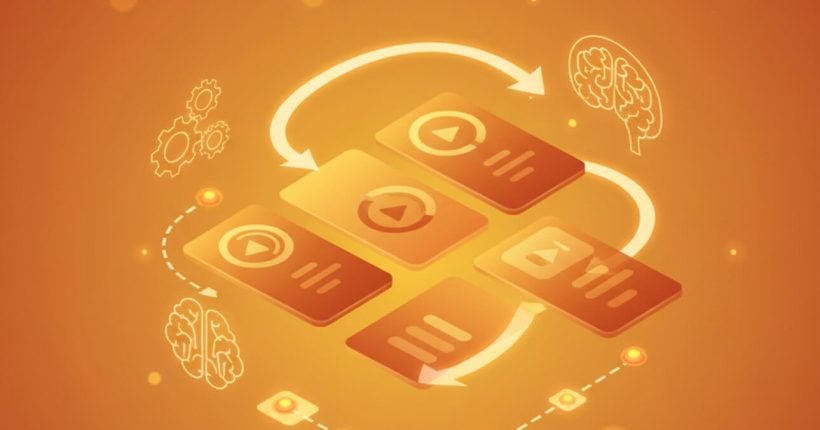
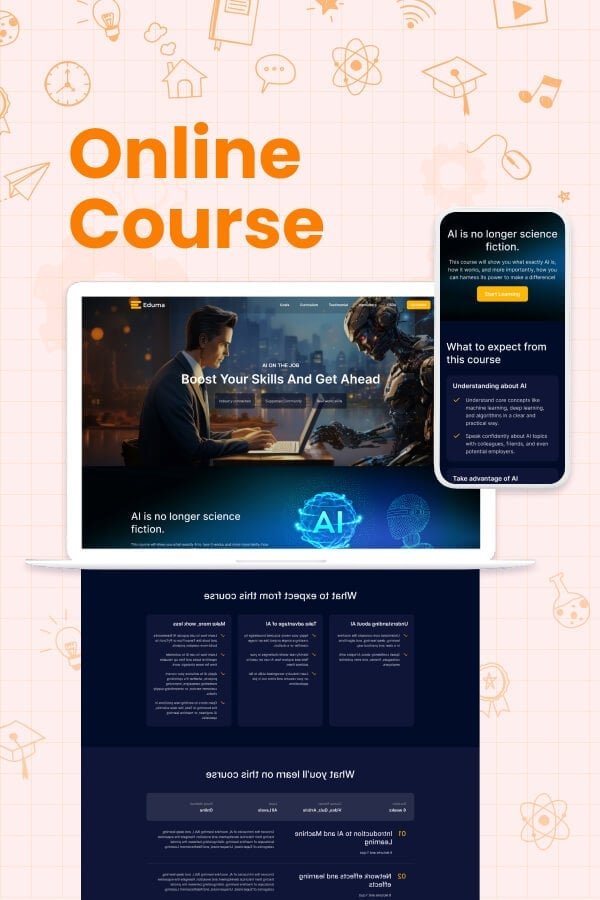
Artificial Intelligence (AI) is reshaping the world of education, transforming how teachers teach, how students learn, and how institutions manage their operations. It represents one of the most significant technological revolutions of our time — one that brings personalization, efficiency, and innovation to every level of the learning process.
1. Personalized Learning for Every Student
AI enables a new era of personalized education. Through intelligent algorithms, educational systems can now analyze each student’s strengths, weaknesses, and learning style to create customized learning paths. This allows learners to progress at their own pace and receive targeted support where they need it most. Tools such as adaptive learning platforms and intelligent tutoring systems are helping educators provide individualized attention to every learner.
2. Enhancing Teaching Efficiency
For teachers, AI serves as a powerful assistant. Automated grading systems, lesson planning tools, and classroom analytics allow educators to save time and focus on what truly matters — teaching and mentoring. AI can handle repetitive administrative tasks, such as attendance tracking and performance reports, enabling teachers to invest their energy in creative teaching strategies and deeper student engagement.
3. Data-Driven Decision Making
AI transforms educational management by turning data into actionable insights. Schools and universities can use AI-driven analytics to identify trends, predict student outcomes, and improve institutional performance. These insights support better policy decisions and help educators understand how to continuously improve the learning experience.
4. Accessibility and Inclusion
AI is making education more inclusive and accessible for all learners. With tools like speech recognition, real-time translation, and predictive text, students with disabilities or language barriers can participate in learning more effectively. AI-powered systems can also adapt content formats — such as converting text to speech or simplifying complex language — ensuring that learning opportunities are open to everyone.
5. Lifelong Learning and Skills for the Future
As technology continues to evolve, AI encourages a culture of lifelong learning. It prepares students with critical 21st-century skills such as digital literacy, problem-solving, and adaptability. Through AI-based learning platforms, individuals can continuously upgrade their knowledge and remain competitive in an ever-changing job market.
6. The Role of Educators in the AI Era
While AI offers remarkable potential, it will never replace the human role of teachers. Instead, it enhances their capabilities. Educators become facilitators and mentors, guiding students in critical thinking, ethics, and creativity — skills that machines cannot replicate. The future of education will be a partnership between human intelligence and artificial intelligence, where both complement each other to create more meaningful learning experiences.
In conclusion, artificial intelligence is not just a technological tool; it is a catalyst for educational transformation. By embracing AI responsibly, educational institutions can build smarter, more adaptive, and more inclusive learning environments. The future of education lies in harnessing the power of AI to unlock human potential and prepare generations for a smarter world.
Tag:Artificial, Education, Intelligence